Physical risks from drought are shifting rapidly, with plenty of data available to analyse these risks. Asset managers can model the risks to select and implement drought adaptation measures.

Our latest News & Articles
Thought leadership by Climate X

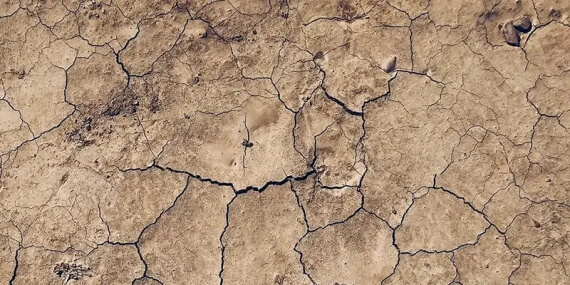
What really defines a drought? From its impacts on agriculture to its economic toll, we explore the intricate details of this global challenge.

Humanity is changing the climate which affects the oceans, especially through rising sea levels. Financial institutions need data to know about the physical risks to their coastal assets from sea-level, in order to make adaptation decisions.
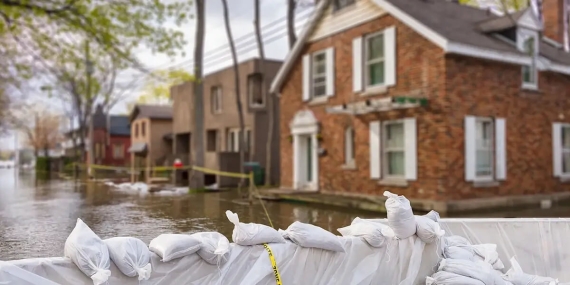
Physical risks from flooding are shifting rapidly. In this article, we explore the variety of options that exist for retrofitting and adapting properties, so asset managers can select the most cost-effective combinations for their portfolios.
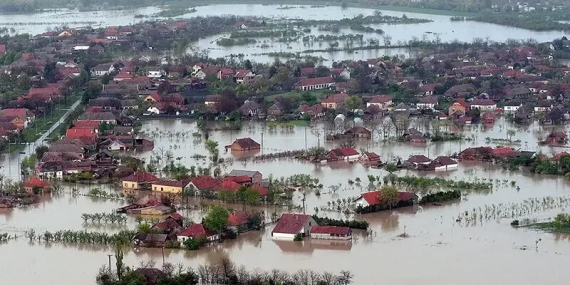
This article explores the multifaceted relationship between climate change and flooding, examining how shifts in weather patterns and land use are intensifying flood risks globally.

As summer heats up, we take a holistic look at how extreme heat, exacerbated by climate change, affects public health. By exploring these human impacts, we highlight the interconnectedness of climate risks, public health and the importance of adaptation.
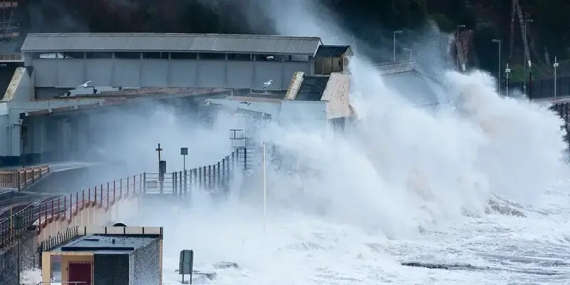
What is Storm Surge? Lessons and adaptation actions for asset managers, with a focus on data availability, forward-looking modelling, and financial impact on existing and future assets.

Discover 15 facts about climate adaptation and retrofitting projects that enhance property value and promote sustainability, showcasing the immense economic and environmental benefits of energy-efficient upgrades.

Large asset values and significant infrastructure sit in the pathways of tropical cyclones. Financial institutions and asset managers need data to know about the physical risks to their coastal and inland assets from tropical cyclones. Then, they can make informed and successful adaptation and retrofitting decisions.

In the heart of Paris, amidst its romantic charm and iconic landmarks, a climate crisis looms, with temperatures predicted to reach a scorching 50°C by 2050. To combat this threat, the city has launched a Climate Action Plan, striving for carbon neutrality, but what are the risks?
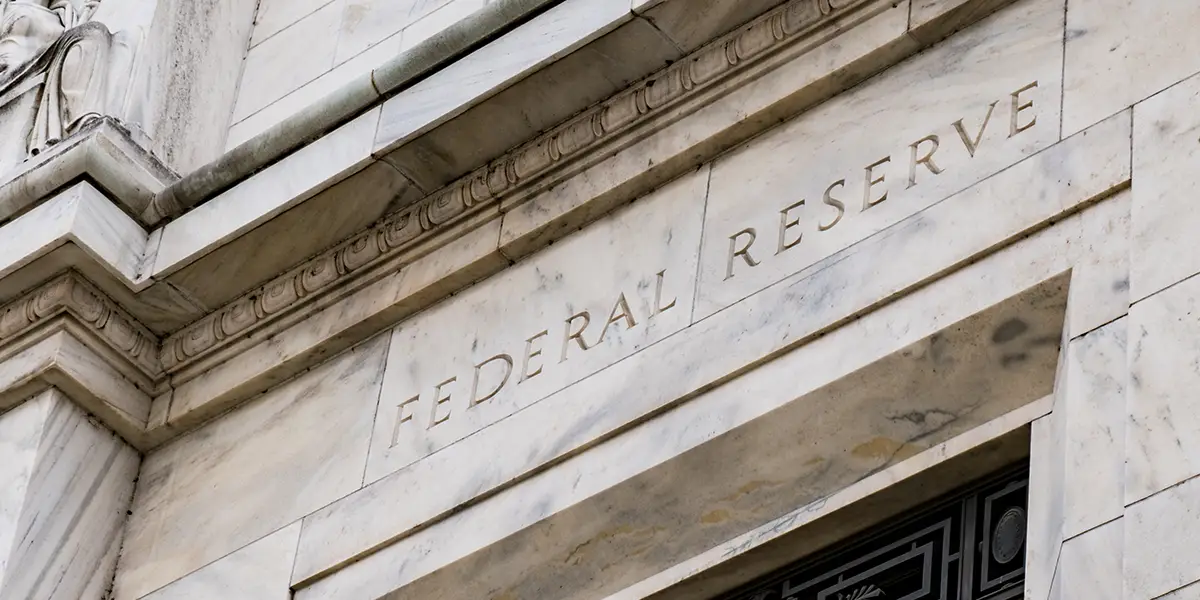
The Federal Reserve recently conducted its inaugural climate scenario analysis with six of the nation's largest banks, aimed at evaluating their climate risk management practices. It revealed significant vulnerabilities, as well as common challenges with data quality and modeling methods.
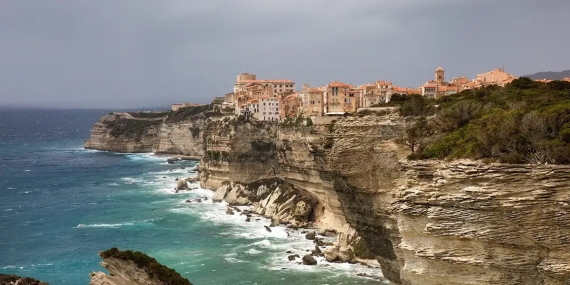
The French real estate industry is grappling with climate risks and meeting housing, business, and public facility demands in a growing population. The extent to which the industry is prepared for climate risk remains a crucial question that needs to be addressed.
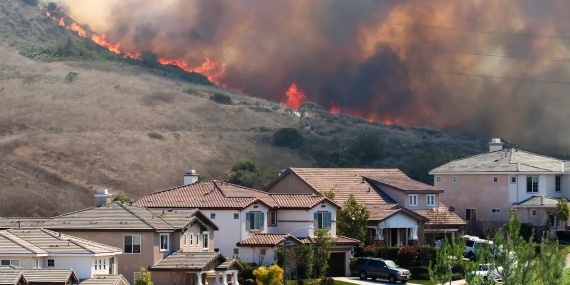
A disaster that does not happen saves lives – and saves money for asset managers. Discover how strategic investments in wildfire prevention and climate adaptation not only safeguard properties but also offer significant financial returns, illustrated by compelling examples and data.

