The housing market is experiencing instability, and the effects of climate change further complicate matters for potential homebuyers. Disregarding climate risks when investing in properties can have dire consequences over time. Therefore, why is it crucial for real estate companies that homebuyers consider climate risks in their decision-making process?

Our latest News & Articles
Thought leadership by Climate X

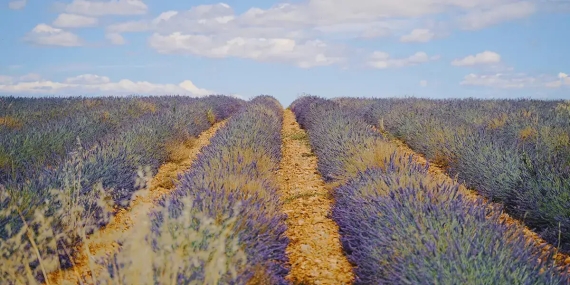
France is in the throes of a relentless drought. With the driest winter in 60 years, strict water restrictions are in place. Rising temperatures will impact Bordeaux, Lyon, Rennes, and Strasbourg. How far will this dry spell stretch its grip on the country?
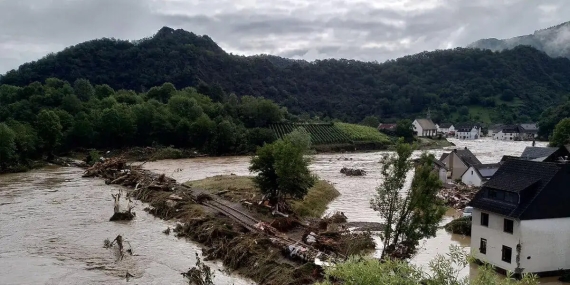
Severe floods shook several Northern European countries in mid-July 2021. Affecting several river basins, the floods caused €46 billion in damages and inflicted over 300 fatalities. 2 years on - how can stakeholders be better prepared for another extreme flood event?

The Tour de France not only showcases the endurance and skill of its athletes but also serves as a stark reminder of the future climate risks France faces. As riders traverse the country's diverse landscapes, they witness first-hand the vulnerability of these regions to extreme weather events, highlighting the urgent need for climate action.

From France to the Czech Republic, Europe’s real estate has been experiencing volatility. Compounded by increasingly frequent and severe climate-related hazards, how will climate risks pressure Europe’s real estate prices, and what does it mean for the real estate industry?
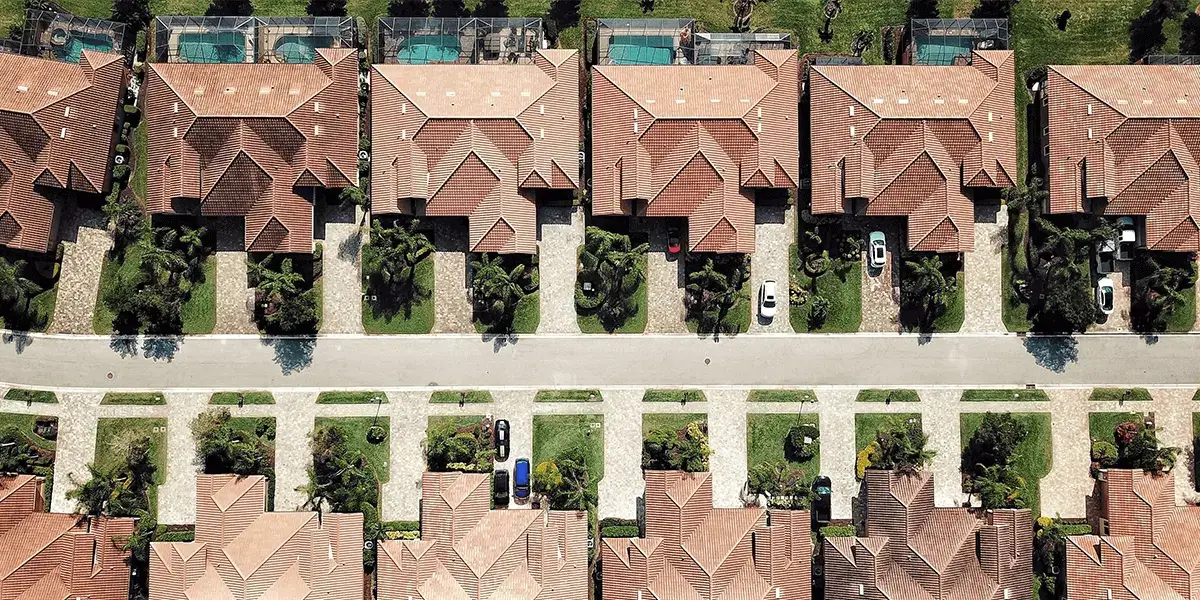
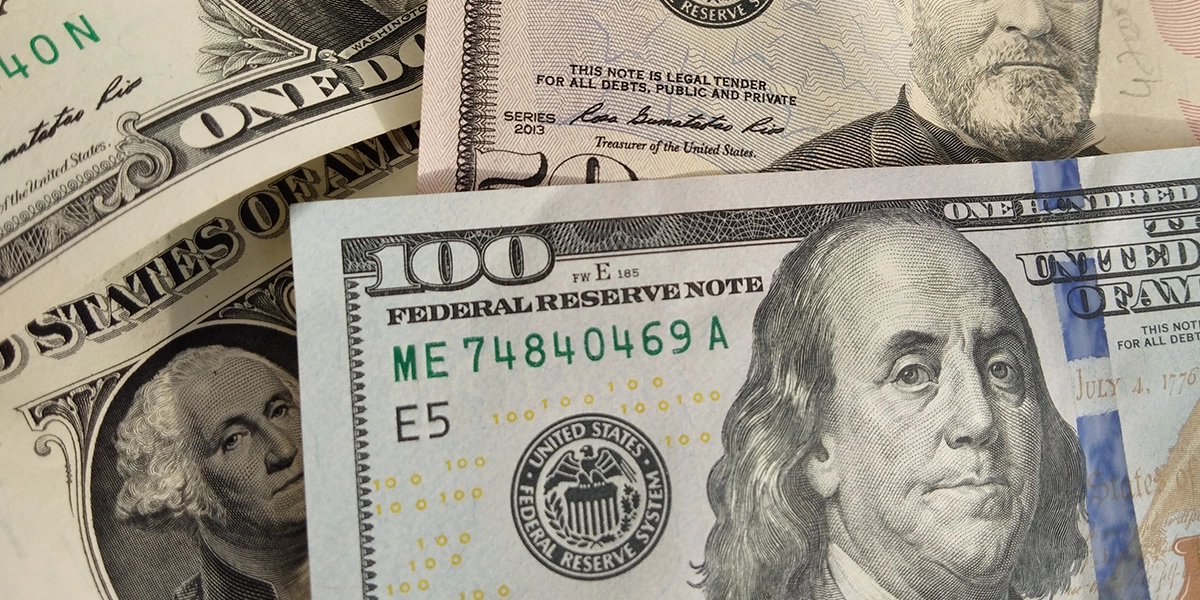
The U.S. real estate market, valued at $45.3 trillion, faces a noticeable cooldown as national residential sales plummet by 23.2% compared to last year. The looming threat of climate change and related hazards, coupled with the potential migration of homeowners inland, poses significant risks to real estate assets and requires proactive measures to mitigate climate impact and ensure long-term resilience.

Known as the garden of Europe, Spain has long grappled with high temperatures. But climate change is intensifying and prolonging droughts. As a result, Spain faces critical water shortages, dramatically affecting different industries. How will these and future droughts impact Spain’s and Europe’s industries?
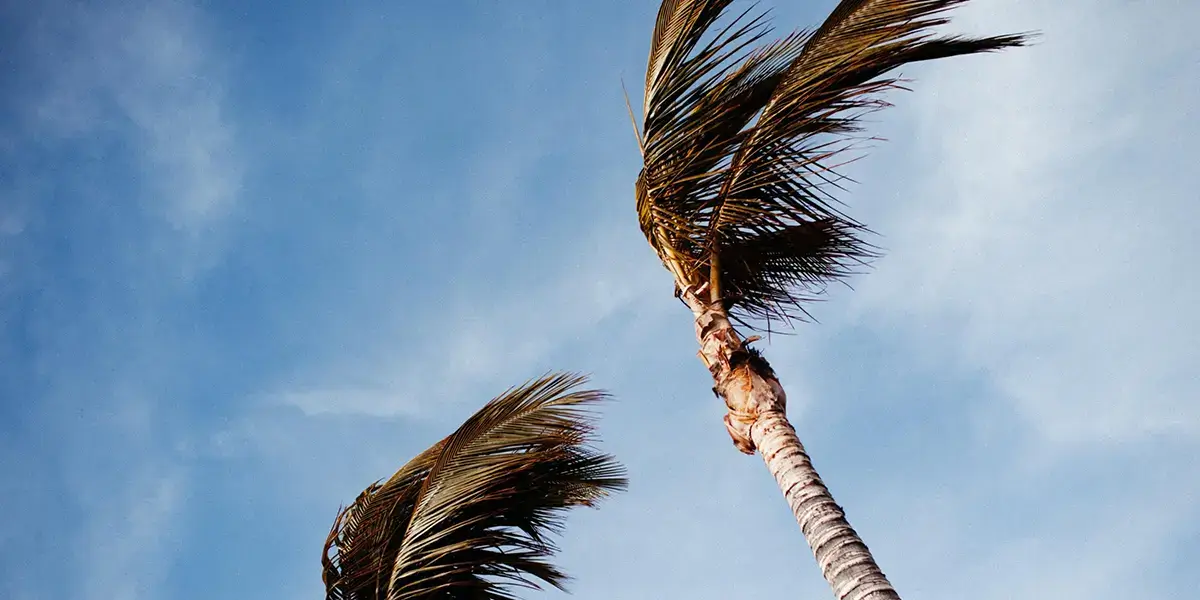
Natural catastrophe losses are on the rise globally, and hurricanes account for a significant proportion of them. Hurricane risk impacts several industries, including insurance and real estate. What is this climate-related risk's long-term loss potential?

The physical impacts of climate change are here to stay, and entities are driven to adapt to climate change. At this point, adaptation is an exercise of uncertainty that can go wrong. What does that look like?
The U.S. Treasury's Federal Insurance Office (FIO) aims to improve data availability for US insurance sector to assess climate risks, as natural disasters with over $1 billion losses become more prevalent.
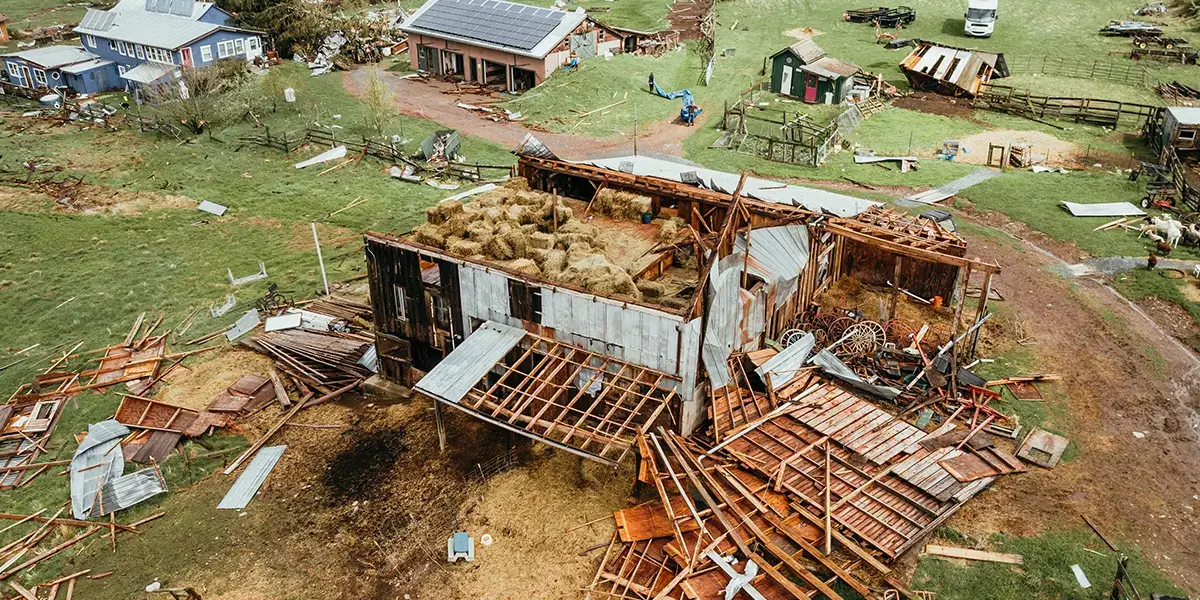
The Earth’s climate has permanently changed throughout history, but climate risks pose growing threats to the world... but is the pace of change too fast for firms to keep up with?
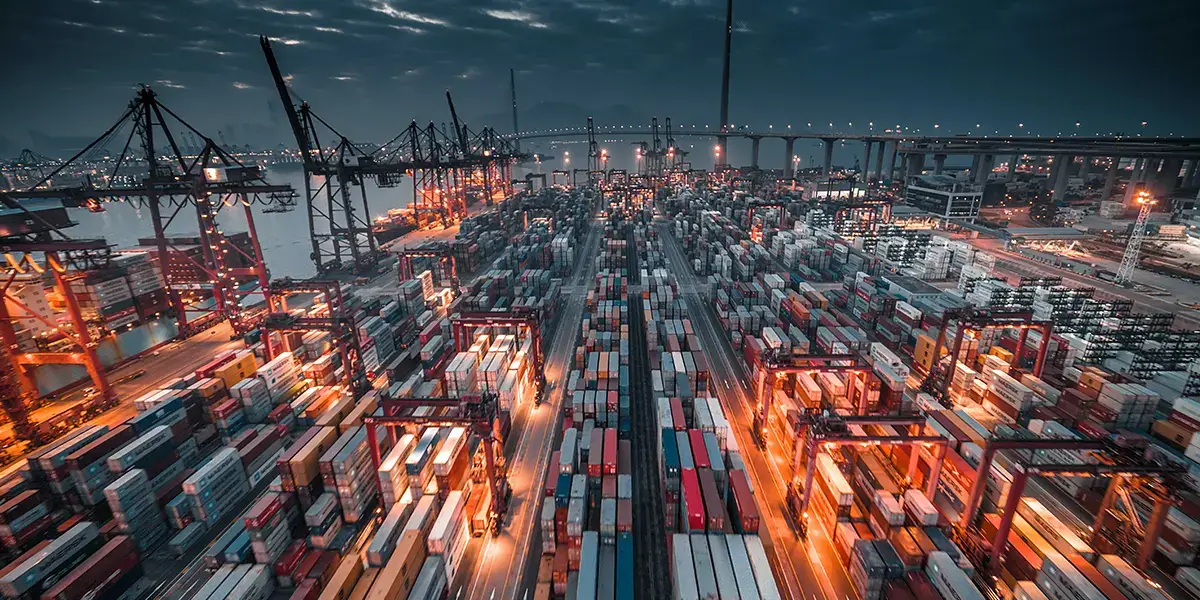
The implications for the global supply chain from physical climate-related risks are dire and complex. How can companies' supply chains become more resilient to climate risk?
The Fed wishes to step back while the ECB aims to take a step forward with climate policy. What role do Central Banks play in monetary policies and banking supervision approaches when dealing with climate risk?

