The physical impacts of climate change are here to stay, and entities are driven to adapt to climate change. At this point, adaptation is an exercise of uncertainty that can go wrong. What does that look like?

Our latest News & Articles
Thought leadership by Climate X


The U.S. Treasury's Federal Insurance Office (FIO) aims to improve data availability for US insurance sector to assess climate risks, as natural disasters with over $1 billion losses become more prevalent.

The Earth’s climate has permanently changed throughout history, but climate risks pose growing threats to the world... but is the pace of change too fast for firms to keep up with?

The implications for the global supply chain from physical climate-related risks are dire and complex. How can companies' supply chains become more resilient to climate risk?

The Fed wishes to step back while the ECB aims to take a step forward with climate policy. What role do Central Banks play in monetary policies and banking supervision approaches when dealing with climate risk?
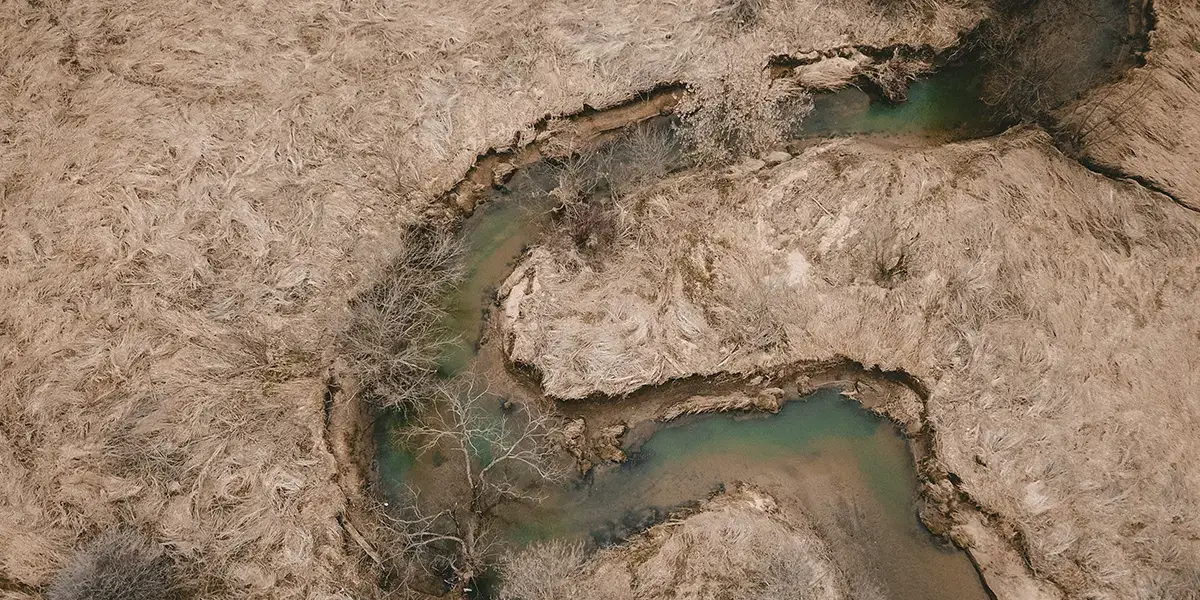
The warm start to 2023 during winter across Europe has spotlighted the climate risk of unprecedented droughts having wreaked economic damages across the continent. What's ahead?

When faced with the question of ‘what resolution is best for my impact modelling’, the obvious answer seems to be ‘the smallest grid possible’. But you might be surprised...

Given central banks' growing use of stress tests, how can stress test results be improved to assess better whether banks are fully prepared for regulations?

With no corner of the real estate industry immune to the effects of a warming planet, the industry must prepare for the physical and financial risks of property damage and insurance difficulties.

As climate change continues to disrupt the global financial system, banking institutions must act and prepare for the potential risks. In 2023, it's forecasted that the financial sector will face even more challenges.

A year at war. Russia invading Ukraine exposed vulnerabilities in the global energy market. What implications will long-term climate risks have on energy projects?

Insurance companies play a crucial role in providing peace of mind. Still, the slow-moving climate crisis of the last 5 years has led to billions in claims from uninsured losses. As we head into 2023, insurers must understand evolving climate risks to better prepare for the increasing frequency & severity of climate-related disasters.

The financial sector must accurately capture climate risk impact on balance sheets. Where should they be reflected in regulatory capital frameworks? How might systemic policies complement banks’ own risk management and supervision?

